Thermal & Operational Anomalies
Locate hot spots, localised heating and abnormal temperature patterns to identify modules requiring further investigation.
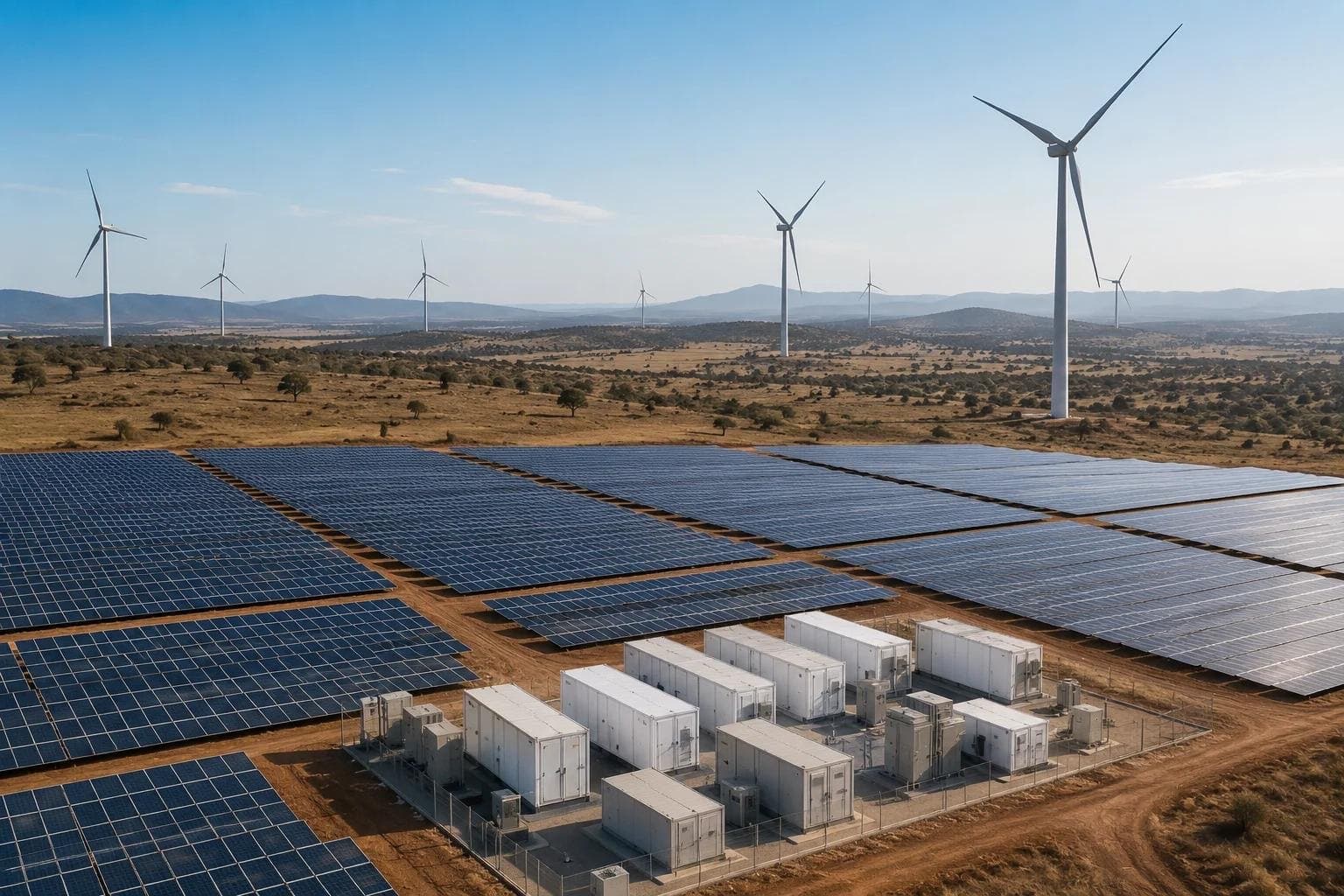
Locate hot spots, localised heating and abnormal temperature patterns to identify modules requiring further investigation.
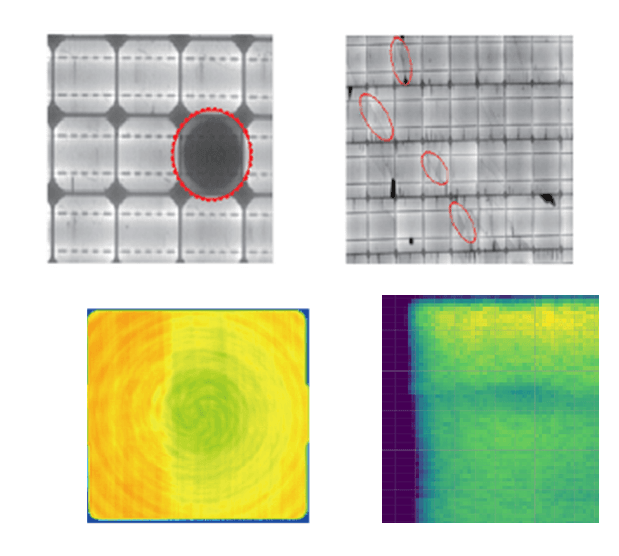
Investigate microcracks, interrupted gridlines, soldering faults and electrically inactive regions.
Assess EVA delamination, backsheet damage and internal discontinuities in suitable non-metallic layers.
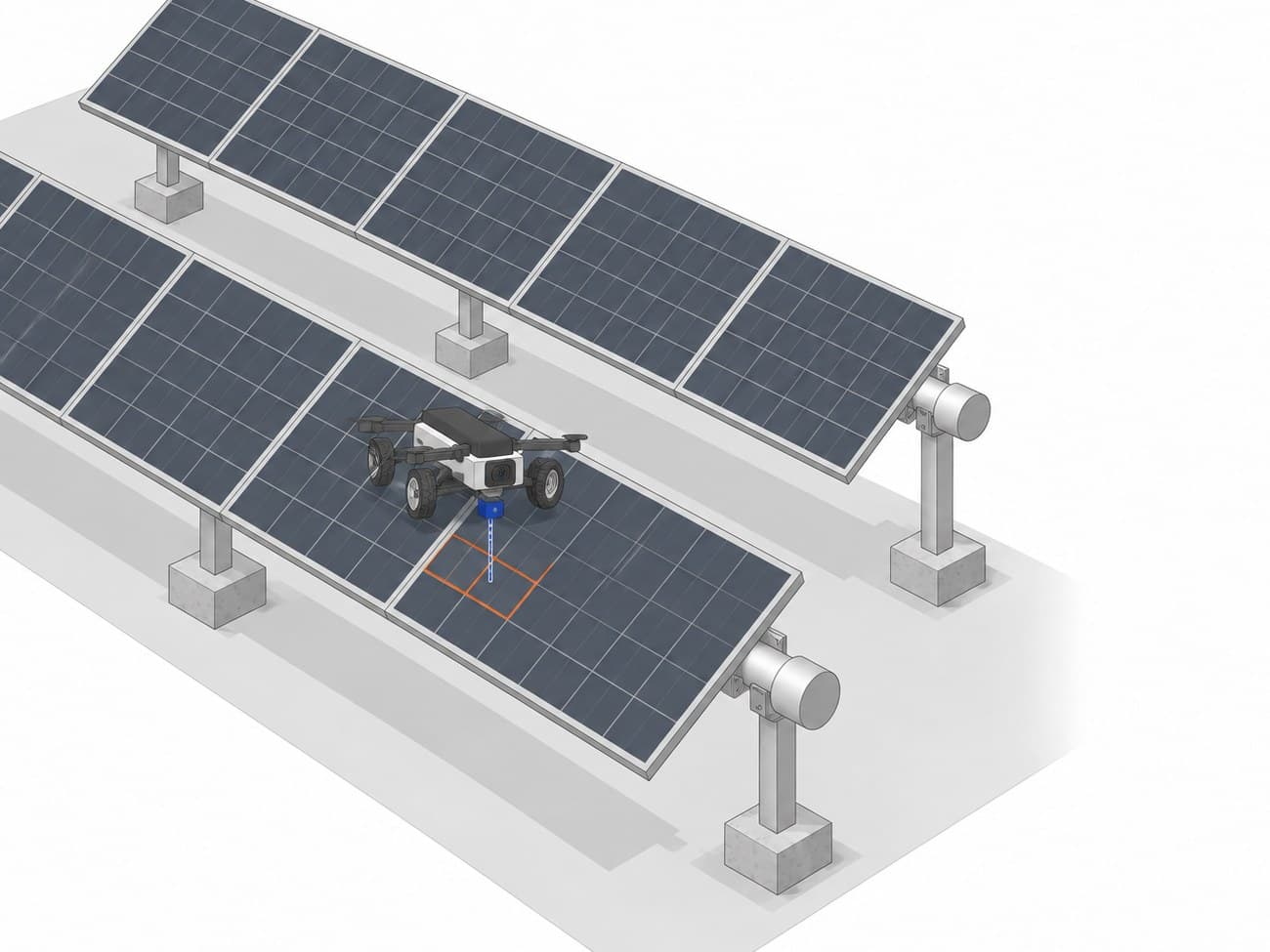
Thermal / EL / THz · UAV / UGV · AI-Assisted Analysis
Complementary sensing methods and deployment platforms are selected to suit the inspection task.
| Capability | Configuration & Purpose |
|---|---|
| Infrared Thermography | Thermal imaging with visible-light context for temperature-pattern assessment, anomaly localisation, point and area temperature measurements. |
| Electroluminescence — EL | Near-infrared imaging under controlled electrical excitation to reveal cell- and interconnection-level abnormalities. |
| Terahertz — THz | Controlled, close-range assessment of suitable encapsulation layers and interfaces. |
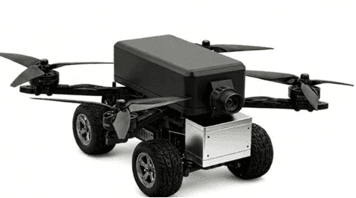
| UAV & UGV Integration | UAV-/UGV-based close-range scanning, integrated with payloads, mounting arrangements and acquisition geometry matched to the selected sensing methods. |
| AI-Assisted Analysis | Multimodal data processing, defect localisation and classification, and structured reporting to support technical review. |
Deliverables are defined around the selected sensing configuration and your maintenance workflow.
Annotated inspection images and localised findings, organised by inspected module or scan area for review and targeted reinspection.
Structured reports combining findings and supporting imagery to inform maintenance planning, pre-commissioning assessment and independent asset evaluation.
Application-specific sensor payloads, platform integration and analytics interfaces, configured around agreed mechanical, electrical, operational and data requirements.
Start with representative modules or a defined section of your site.
Together, we agree the target defects, sensing configuration and reference checks, then evaluate detection performance, repeatability and practical integration before wider deployment.
The trial scope considers module construction, electrical access, operating conditions, scanning geometry and the outputs your team needs to make maintenance decisions.